How long does SEO take to work? A UK timeline
Most sites see SEO results in 3 to 6 months, and competitive terms take longer. See the stage-by-stage timeline, what speeds it up and what to track.

How long does SEO take to work in 2022 or any year since? Most sites see meaningful SEO results in 3 to 6 months, and competitive keywords or brand new websites can take 6 to 12 months or longer. Some changes show within days, but nothing is guaranteed, because results depend on competition and site authority, along with consistency.
At a glance
- Most websites begin to see measurable SEO movement between 3 and 6 months, though movement does not always mean page-one rankings.
- New websites typically take 6 to 12 months to gain meaningful organic traction.
- Established sites with existing authority may see results in 2 to 4 months.
- We tell customers SEO takes three to six months to build, so regular publishing matters more than one perfect post.
How long does SEO take to work in the UK?
Most UK sites see real movement in 3 to 6 months. Competitive terms and brand new websites often need 6 to 12 months or longer, and nobody can honestly promise a date or a position.
If you searched for this with “2022” on the end, you will have found plenty of articles from that year. The good news is that the broad advice still holds. SEO is slow, it builds over time and it rewards sites that keep going. What has changed is the setting. AI-generated answers now sit alongside the usual results, and Google updates its systems often. That makes steady, consistent publishing more useful than it was, because you are not relying on one page to hold its place.
At Rank Otter we tell customers that SEO takes three to six months to build, so publishing regularly matters more than one perfect post. A single polished article can sit unnoticed for weeks. A site that adds useful pages month after month gives Google more to find and more reasons to trust it.
Some changes are quick, others are slow
Google’s own documentation on core updates makes clear that improvements can take time to show, and that effects are not always immediate. A fixed technical fault may be picked up within days. A new page earning trust for a competitive phrase is a different matter and can take months.
What “working” actually means
It helps to decide what you are waiting for. Progress usually arrives in this order:
- Impressions: your pages start appearing in search results.
- Rankings: those pages climb for the phrases you want.
- Clicks: more people choose your result.
- Leads: visitors call, email or buy.
Leads come last. Look for enquiries only in month two and you will think nothing is happening when the early steps are quietly moving.
What does an SEO timeline look like month by month?
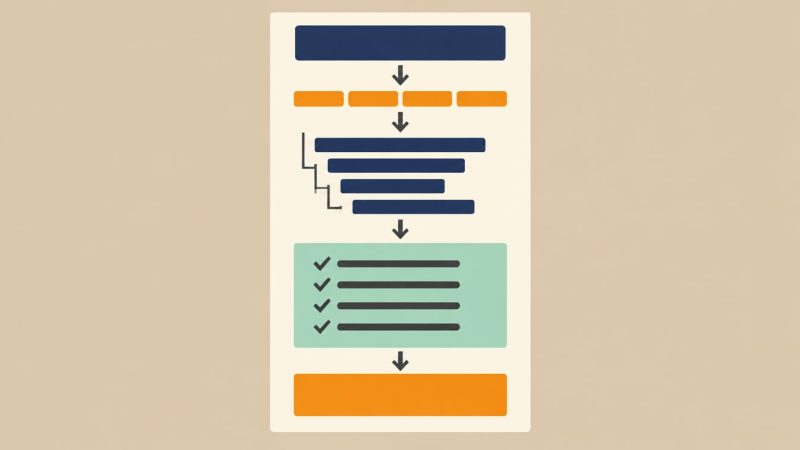
Think of it in four stages. Weeks 1 to 4 are for fixes and first content, and months 2 to 3 bring early impressions. Months 3 to 6 bring clicks on easier terms, and months 6 to 12 bring competitive terms and leads. These are estimates, not milestones.

| Stage | What usually happens | What to check |
|---|---|---|
| Weeks 1 to 4 | Technical fixes are made, pages get indexed and your first content goes live. | Are new pages indexed? Is anything blocked? |
| Months 2 to 3 | Impressions begin to rise and a few keywords start to move. | Impressions and average position trends. |
| Months 3 to 6 | Clicks and traffic grow, mainly for lower-competition terms. | Clicks, the queries bringing them and which pages earn them. |
| Months 6 to 12 | Harder, more competitive terms start to move and leads become more regular. | Enquiries, and which pages lead to them. |
Treat the table as a guide. Some sites move faster, particularly established ones. Others take longer, and a quiet month does not mean failure.
What affects how long SEO takes to work?
The main factors are site history and age, competition, resources, content quality, technical health and consistency. Each one can add or take away months.
New site or established site
A brand new website typically takes 6 to 12 months to gain meaningful organic traction, because Google has no history to judge it by. An established site with existing authority may see results in 2 to 4 months, as it already has trust and a base of pages to build on.
Competition and backlinks
A local plumber going after “boiler repair in Leeds” faces a different field from a national retailer chasing a broad product term. The more established sites already ranking, and the more links pointing at them, the longer you should expect to wait. Links take time to earn. That’s part of why competitive terms are slow.
Technical problems
Blocked pages, slow loading, broken links and crawl errors can hold everything back. One quick check is your robots.txt file. Make sure it is not blocking AI search tools from reading your pages, as well as ordinary search crawlers. Google’s SEO starter guide covers the basics of helping search engines find and understand your site.
Publishing frequency
Resources and consistency matter more than most people expect. A site that publishes helpful pages every week for six months will usually be ahead of one that publishes ten pages in a burst and then stops. Content quality counts too, but quality and regularity work together.
How can you get SEO results faster?
Target lower-competition questions, publish regularly and improve pages that are already close to page one. There is no shortcut that is safe, but there are sensible ways to avoid wasting months.
Write about the questions customers actually ask
Start with what people ask you on the phone, by email and on site visits. Specific questions are usually less competitive than broad terms, and they match what searchers type. Real photos and real job stories beat stock content every time, because they show you have done the work and give readers something no other site has.
Improve pages already close to page one
In Google Search Console, look for pages sitting in positions 4 to 10. These are often the quickest wins. Update them with clearer answers, add useful detail and link to them from other relevant pages on your site.
Avoid the town page trap
Never publish near-identical pages for different towns with only the place name swapped. Google treats them as spam, and they can do more harm than good. Serving several areas? Write something genuinely different for each, such as real jobs you have done there.
Keep the schedule going
Most businesses stall because research and writing take time. Rank Otter is one option for automating that. Every article is researched from the pages already ranking on Google before a word is written, then published to your site on your schedule. You choose how much control you want, from approving every article to full autopilot. It is built by PS Website Design Ltd, a UK agency that has built and looked after websites for UK businesses since 2009, and we use it on our own clients’ websites. Run a trade business? Our trades page shows how it fits.
How do you know if SEO is working?
Check Google Search Console for trends in impressions, clicks and average position before you expect leads. Those move first and tell you whether you are on track.
What moves first
Impressions usually rise before clicks, and clicks before enquiries. A normal wait for early signs is a few weeks to a couple of months. Look at the direction over several weeks rather than day-to-day wobbles, which are normal.
Use real data
Tool estimates of traffic can be far off. Search Console shows what Google actually recorded for your site. That is why Rank Otter results come from your own Google Search Console, not our estimates.
Signs you are on track and red flags
- On track: new pages are indexed, impressions are climbing and more queries show up each month.
- Red flag: pages still not indexed after several weeks, which often points to a technical block.
- Red flag: impressions flat for many months despite regular publishing, which suggests the topics or page quality need a rethink.
Change approach, do not just stop
If the numbers are flat, look at what you are targeting before giving up. Switching to easier questions, improving existing pages or fixing a technical fault is usually better than stopping. Be wary of anyone promising first-page results in weeks. Nobody controls Google, and fast promises often rely on tactics that cause trouble later.
Is SEO dead now with AI, and is it still worth waiting for?
No. SEO still drives visibility, and AI search tools also draw on well-structured pages that answer questions directly.
The habits that help in Google help in AI answers too: clear answers near the top of the page, regular publishing and pages that crawlers can read. That is also why the robots.txt check matters. If tools cannot reach your pages, they cannot use them.
You may also hear of the 80/20 rule. In SEO it usually means a minority of pages bring most of the traffic. That’s a good reason to keep publishing and then put your effort into the pages that start to perform.
Would you like help keeping a steady schedule? You can see our pricing or get in touch with Rank Otter. Your first article is free, with no card needed, so you can see how it works before you decide.
Frequently asked questions
Is 75 a good SEO score?
Scores from SEO tools are their own measures, so 75 can look good but means little on its own. Rankings, clicks and enquiries in Google Search Console tell you far more.
What is the 80/20 rule for SEO?
The idea is that a small share of your pages, often around a fifth, brings most of your traffic. Find those pages and keep improving them.
How long does SEO take for a new website?
New websites typically take 6 to 12 months to gain meaningful organic traction. First impressions may show sooner, but steady results take longer.
Can SEO work in one month?
Pages may be indexed and a few early impressions may appear in a month, especially after fixing a technical fault. Meaningful traffic and leads rarely arrive that quickly.
How long until Google indexes a new page?
It can be anywhere from a few days to a few weeks, and there is no fixed time. Check Google Search Console to see whether a page has been indexed and look for blocks if weeks pass.
Should I stop SEO if I am not on page one after six months?
Not automatically. Harder, more competitive terms and new sites can take longer, so look at impressions and clicks first. If those are flat, change your approach rather than stopping.
Do Google updates reset my SEO progress?
Not usually. Updates can move rankings up or down, but sites with useful, regularly updated content tend to recover and keep building. Consistency helps you ride them out.