What is programmatic SEO? A plain UK guide
What is programmatic SEO? Learn how template and data pages work, see UK examples, and find out when it helps and when Google treats it as spam.

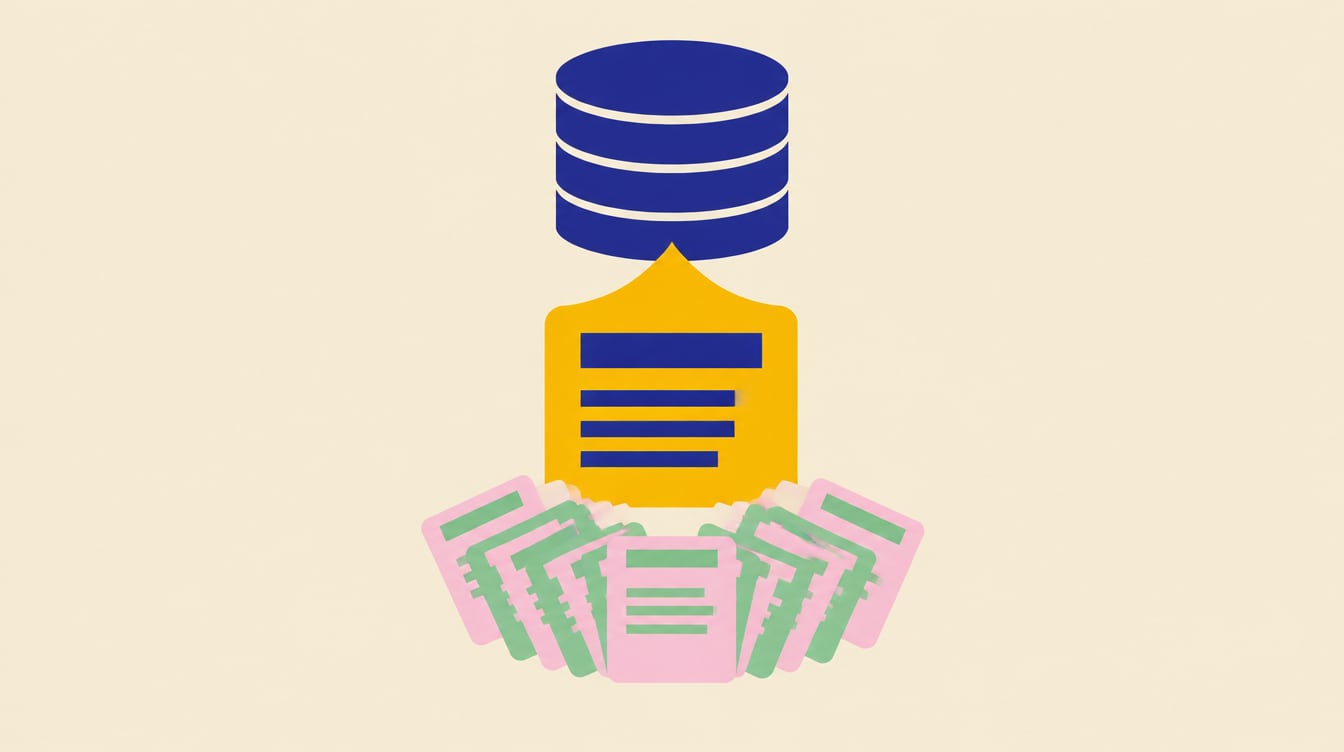
Programmatic SEO is an SEO method that uses a database and one reusable page template to generate many pages automatically, each aimed at a different specific search, such as ‘best plumbers in Leeds’. It can help a site cover lots of searches quickly, but thin pages risk being ignored or treated as spam.
At a glance
- One template connects to a data source and generates many pages, each targeting a different specific query.
- Well-known examples of the approach include TripAdvisor, Zapier, Yelp and Canva, as listed in this Mangools guide.
- Google’s spam policies include a scaled content abuse section, and spam can mean lower rankings or removal from results.
- SEO takes three to six months to build, so regular publishing matters more than one perfect post.
- Near-identical pages for different towns are treated by Google as spam.
What is programmatic SEO?
This approach uses a database plus one template to produce many pages, each targeting a different specific search. The aim is to capture lots of low-competition keywords and bring in traffic at scale.
It is often shortened to pSEO. The SEO part stands for search engine optimisation, which simply means helping your pages show up when people search on Google.
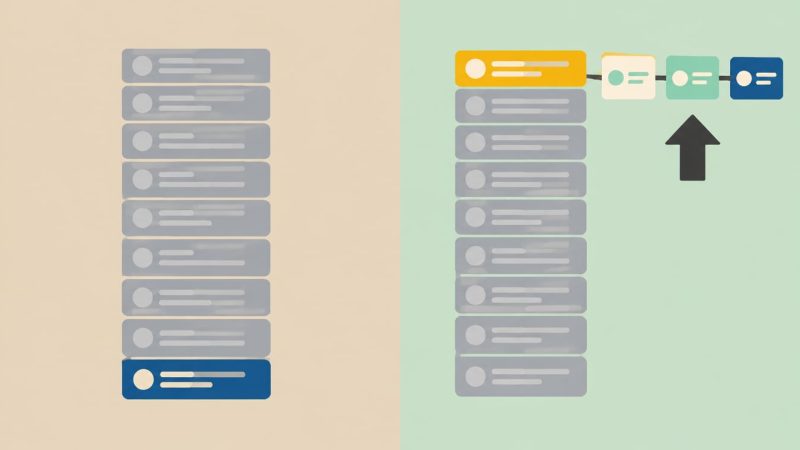
Regular SEO usually means writing each page by hand, with its own research and its own angle. The programmatic approach flips that. You build the page design once, then let data fill in the details for hundreds or thousands of versions. This works best where there are many similar searches, such as the same question asked about different cities, products or tools.
How does programmatic SEO work?
You find a keyword pattern, build a template, connect a data source, publish the pages and check how they perform. Each step matters, and skipping the checking is where most projects go wrong.
- Research your niche and the kinds of searches people make.
- Find a head keyword and its variations, such as ‘best web design agencies’ plus a city.
- Check search intent, so you know what people expect to see when they search.
- Design the template: headings, layout and the spaces that data will fill.
- Add your data, ideally something real and different for every page.
- Publish, then monitor which pages get seen and which are ignored.
The ‘best [service] in [city]’ pattern
This is the classic example. The template stays the same, while the data fills each gap: the city name, a list of providers, ratings, prices or opening hours. Unique data on every page is what makes the result useful rather than repetitive.
How it differs from regular SEO
The programmatic route needs more keyword research up front and more technical skill. Someone has to clean the data, build the template and make sure the pages can be crawled. Writing and editing matter more in regular SEO.
Can you give me an example of programmatic SEO?
Picture a directory with a template called ‘best web design agencies in [city]’. It could generate pages for Leeds, Manchester, Birmingham and Liverpool from one dataset. Zapier, TripAdvisor, Yelp and Canva are the familiar real-world cases. They’re much bigger.
| Template | Data used | Resulting page title |
|---|---|---|
| Best web design agencies in [city] | Leeds agency listings, services, reviews | Top web design agencies in Leeds |
| Top web design agencies in [city] | Manchester agency listings | Top web design agencies in Manchester |
| Top web design agencies in [city] | Birmingham agency listings | Top web design agencies in Birmingham |
| Top web design agencies in [city] | Liverpool agency listings | Top web design agencies in Liverpool |
Zapier is known for integration pages, TripAdvisor and Yelp for listings, and Canva for template pages, all of which are named in the Mangools guide. What makes the good ones work is genuine, unique data on every page. A visitor gets something they could not get from the page next door.
Does programmatic SEO still work?
It can, when each page gives real and distinct value. It fails when pages are thin or near-identical.

There’s a section on scaled content abuse in Google’s spam policies. In plain words, that means producing lots of pages mainly to rank, rather than to help people. The consequences, set out on Google’s official spam policies page, can include lower rankings or removal from results.
A quick checklist separates useful pages from spam:
- Each page has unique data, not just a swapped place name.
- There is real detail a visitor can use.
- People genuinely search for the topic.
Our advice is simple: never publish near-identical pages for different towns. Google treats them as spam.
When does programmatic SEO make sense?
It suits sites with large structured datasets and many real searches, such as directories, marketplaces and software integration libraries. It rarely suits a small local business.
- Good fit: directories, marketplaces, comparison sites, software with many integrations.
- Poor fit: a local trade or service firm with a handful of services and no large dataset.
Take a contractor with twenty service areas. Copying one page twenty times and swapping the town name is tempting. That is exactly the near-identical pattern that risks being treated as spam.
There is also the cost of upkeep. At scale, someone has to keep the data fresh and check quality, or the pages slowly turn stale and thin.
What is a safer alternative to programmatic SEO for agencies?
Publish regular, individually researched articles on the questions customers actually ask. Use automation for speed, not for duplicate pages.
That is how Rank Otter works. Every article is researched from the pages already ranking on Google before a word is written. You choose how much control you want, from approving every article to full autopilot. Results come from your own Google Search Console, not our estimates.
Rank Otter is built by PS Website Design Ltd, a UK web and app development agency that has built and looked after websites for UK businesses since 2009. They use it on their own clients’ websites.
Practical habits that help
- Write about the questions your customers really ask.
- Use real photos and real job stories, which beat stock content every time.
- Check your robots.txt is not blocking AI search tools.
- Expect three to six months to build results, so regular publishing matters more than one perfect post.
If you run an agency and want to speed up SEO work without risking spam, you can see our plans or get in touch with Rank Otter. Your first article is free, with no card needed.
Frequently asked questions
What is the difference between programmatic SEO and regular SEO?
Researching and writing each page by hand is what regular SEO usually means. Programmatic SEO uses one template and a dataset to generate many pages at once, each aimed at a different specific search.
Is programmatic SEO against Google’s guidelines?
Not by itself. The spam policies from Google target scaled content created mainly to rank rather than help people. Pages with real, unique value are different from thin, near-identical ones.
Is programmatic SEO worth it for a small business?
Usually not. Small businesses rarely have a large dataset, and copy-and-swap town pages risk being treated as spam. Regular articles on real customer questions are a safer choice.
Can AI be used for programmatic SEO?
Yes, AI can help fill templates or write sections. The risk is the same, though: if pages are thin or near-identical, they may be ignored or treated as spam.
What tools do you need for programmatic SEO?
You need keyword research tools, a data source, a page template and a way to publish many pages. Some technical skill helps, and so does a way to monitor results.
How long does programmatic SEO take to work?
SEO in general takes three to six months to build. Programmatic projects are no different, and pages need checking and improving along the way.
What is the difference between programmatic SEO and programmatic advertising?
Programmatic SEO generates pages to rank in search results. Programmatic advertising is the automated buying of ad space. They share a word. They’re different things.