How long does SEO take to work? A UK timeline
SEO usually takes 3 to 6 months to show results and 6 to 12 for strong growth. See the month-by-month timeline and what speeds it up or slows it down.


How long does SEO take to work? Most UK businesses see first measurable results in about three to six months, and significant growth in six to twelve. Competition, site age, content consistency and technical problems all change the timing, so publishing regularly matters more than one perfect post.
SEO (search engine optimisation) is the ongoing work of improving a website and its content so it ranks higher in Google and brings in more organic visitors without paying for ads.
At a glance
- SEO typically takes 3 to 6 months to show measurable results and 6 to 12 months for significant results, according to The SEO Handbook.
- Google’s own guidance says some changes can take effect within hours, while others can take several months.
- Low-competition queries can show first rankings in around three to six months.
- We tell customers SEO takes three to six months to build, and regular publishing beats one perfect post.
- New sites usually move slower than established sites with existing authority and history, according to Whito.
How long does SEO take to work?
SEO usually takes about 3 to 6 months to show first measurable results and 6 to 12 months to deliver significant growth. The exact timing depends on how competitive your market is, how old your site is and whether any technical blockers are holding your pages back.
It is not instant because Google has to find your pages, crawl them (read them with automated software), judge their quality and then test where they should sit against everything else on the topic. Google Search Central’s starter guide says some changes can take effect within hours, while others can take several months.
Paid ads work differently. They bring visitors the day you switch them on and stop the day the budget runs out. SEO takes longer to start, but the pages you publish carry on working after you have paid for them.
What is a realistic month-by-month SEO timeline?
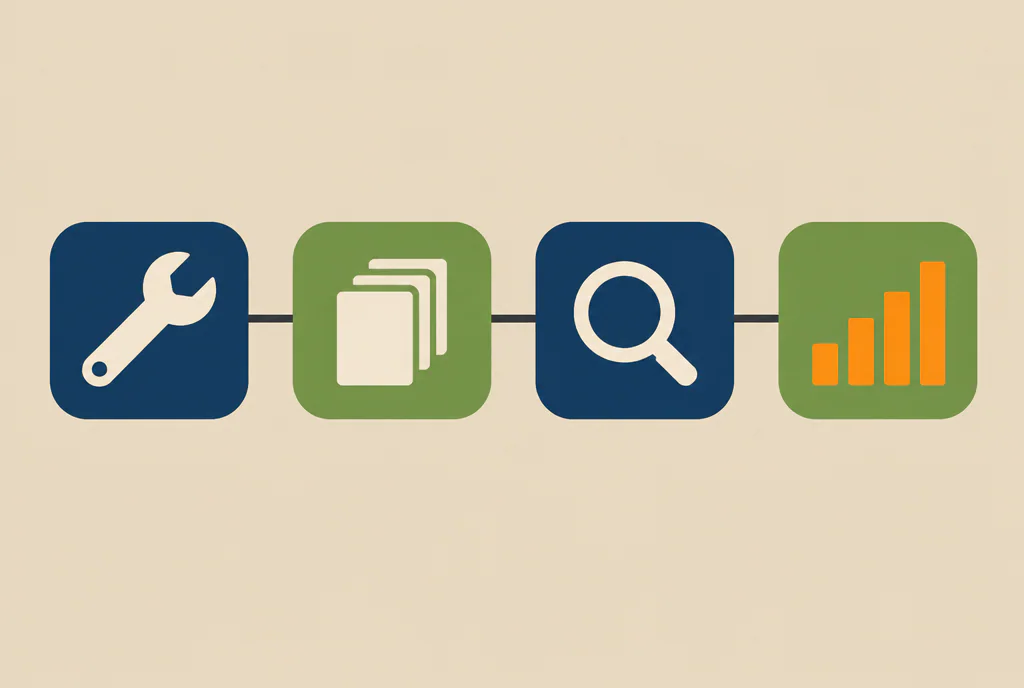
A realistic SEO timeline runs in four stages. Month one is for foundations. Months two to three bring indexing and early impressions. Rankings and clicks start rising in months three to six, and growth compounds from month six to twelve and beyond.
| Period | What happens | What you should see |
|---|---|---|
| Month 1 | Site audit, keyword research, fixing issues, first content published | Little or no change in traffic |
| Months 2 to 3 | Pages get indexed (added to Google’s database) and rankings move around | Impressions begin and new queries appear |
| Months 3 to 6 | Pages settle into measurable positions | Rising clicks, traffic and first enquiries |
| Months 6 to 12 and beyond | Steady publishing builds on earlier work | Compounding gains in traffic and leads |
Expect some ups and downs
Rankings can rise, dip and then settle. A new page often gets a short test run in the results before Google decides where it belongs. A dip in week six does not mean the work has failed, so judge the trend over months.
What affects how long SEO takes?
Five factors decide how quickly SEO works: competition, domain age and history, content quality and consistency, backlinks and technical health. Weakness in any one of them can slow the rest.
Domain age and history
New sites usually move slower than established ones that already have authority and history. A site that has been trading online for years starts with trust a brand-new domain has yet to earn.
Competition
A specific question with few strong answers can rank far sooner than a broad term every large brand is chasing. Low-competition queries can show first rankings in around three to six months. Local trades and professional services also differ, because the number of firms fighting for each search varies a lot by area and service.
Content quality and consistency
How often you publish matters, and so does what you publish. Write about the questions your customers actually ask you. Real photos and real job stories beat stock content every time, because they show readers (and Google) that a real business did the work.
Backlinks
Backlinks are links from other websites to yours. Google treats them as a sign that others trust your content, so a thin backlink profile can slow progress in a crowded market.
Technical health and user experience
Slow pages, broken links, pages blocked from Google and awkward mobile layouts all hold results back. Fixing them is often the quickest win available.
Can SEO show results faster?
Yes, SEO can show results faster when the problem is a technical blocker. Anyone asking how to do SEO quickly should start with the honest levers below, because none of them is a trick and all of them remove delays.
- Check your robots.txt. This small file tells crawlers what they may visit. Make sure it is not blocking Google or AI search tools.
- Fix indexing problems first. Look for noindex tags (instructions telling Google to leave a page out), indexing errors and broken pages.
- Target specific questions before broad terms. Narrow, low-competition topics are easier to win early.
- Publish consistently rather than in bursts. A steady schedule gives Google a regular reason to come back.
- Refresh pages that already get impressions. A page Google is already showing is often the closest to a click.
Shortcuts that backfire
Never publish near-identical pages for different towns. Google treats them as spam, and they can set you back months. If you serve several areas, give each page something real to say about that place or those jobs.
How do you know SEO is working?
You know SEO is working by watching your own Google Search Console, the free Google tool that shows how your site appears in search. Look at impressions first, then average position, clicks and enquiries.
Leading indicators
These move first: the number of indexed pages, impressions (how often your pages appear in results) and new queries you now show up for.
Lagging indicators
These follow later: clicks, leads and sales. They are what the business cares about, but they trail the early signs by weeks or months.
Look at trends, not single checks
One ranking check tells you little, because positions shift by day, device and location. Compare weeks and months instead. At Rank Otter, results come from your own Google Search Console, not our estimates.
When slow is actually broken
If you see no impressions after several months of regular publishing, something is probably wrong. Check indexing, robots.txt and noindex tags before you write anything more.
How does publishing regularly speed up SEO results?
Publishing regularly speeds up SEO results because each article is another chance to rank and shows Google an active site. A steady schedule builds momentum faster than occasional posts. SEO takes three to six months to build, so regular publishing matters more than one perfect post.
Rank Otter was built by PS Website Design Ltd, a UK web and app development agency that has built and looked after websites for UK businesses since 2009. We use Rank Otter on our own clients’ websites. Every article is researched from the pages already ranking on Google before a word is written, which cuts the guesswork about what to cover.
You choose how much control you want, from approving every article to full autopilot. Our features page explains how it works. Your first article is free, with no card needed, and we analyse your website free in about 30 seconds. Enter your site on rankotter.ai or get in touch with the Rank Otter team to see what a steady publishing plan could look like for you.
Frequently asked questions
Can SEO show results in the first month?
SEO rarely shows meaningful traffic results in the first month. Month one is mostly audits, research, fixes and first content, though a technical fix such as unblocking a page can help sooner.
Why did my rankings go up and then drop back?
Rankings often rise and dip because Google tests new pages before settling them. Judge the trend over weeks and months in Search Console rather than reacting to a single day.
Is SEO slower in 2026 than it used to be?
The brief gives no figure showing SEO is slower in 2026, so the honest answer is that timing still depends on competition, site age, content and technical health. The usual range of three to six months for first results still applies.
Does publishing more often speed up rankings?
Publishing more often helps because each article is another chance to rank and shows an active site. Quality still matters, so write about real customer questions rather than filling space.
How long does it take for Google to index a new page?
Google’s guidance says some changes take effect within hours while others take months, and indexing time varies by site. If a page stays missing for a long time, check robots.txt, noindex tags and Search Console for errors.
Is SEO dead or evolving in 2026?
SEO is evolving rather than dead. People now also search through AI tools, so check your robots.txt is not blocking AI search tools and keep publishing clear answers to real questions.
How often does SEO need to be updated?
SEO is ongoing work, not a one-off job. Publish regularly and refresh existing pages that already get impressions in Search Console.
How long does local SEO take?
Local SEO follows the same broad range of three to six months for first results, though it varies with local competition. Avoid near-identical town pages, as Google treats them as spam.