Rank tracker: what it is, how it works and which to use
What is a rank tracker, how does it work and do you need one? A plain UK guide to tracking keyword positions, the tools to compare and free options.

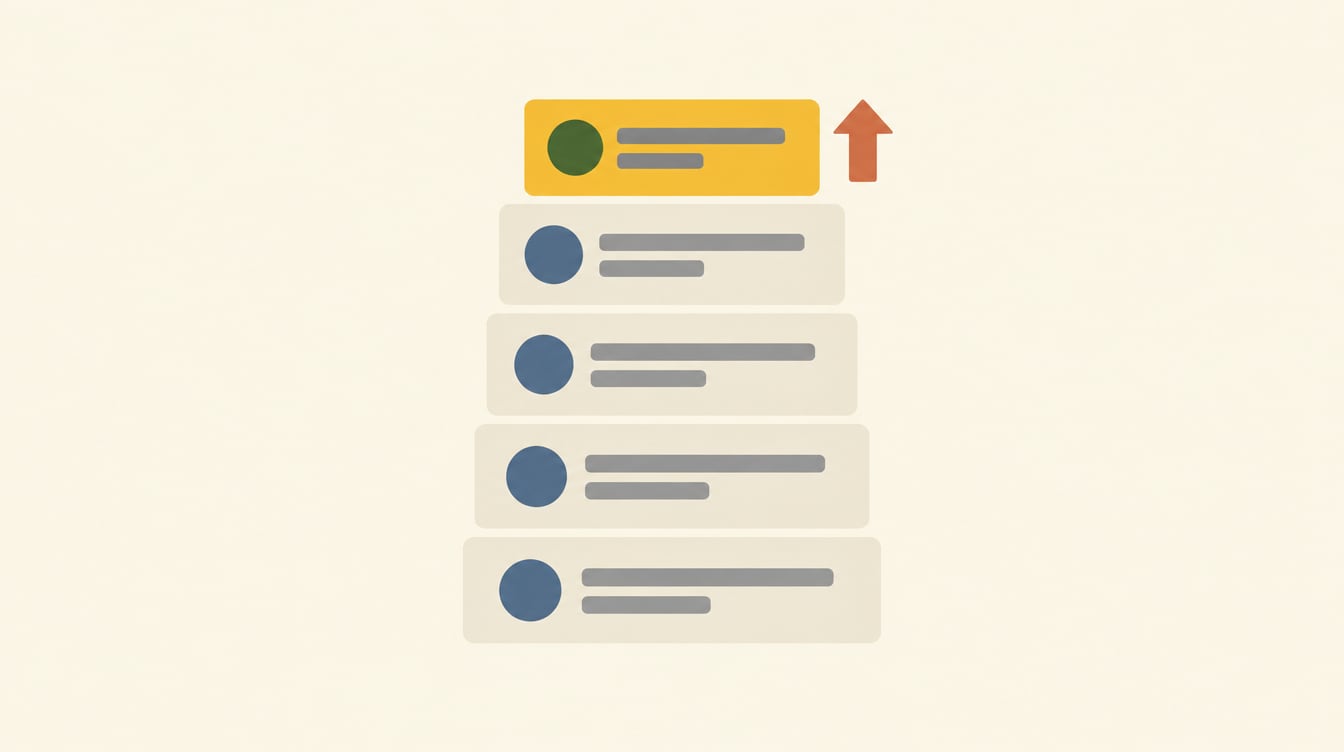
A rank tracker is an SEO tool that records where your website appears in Google search results for chosen keywords, day by day or week by week. It shows whether each ranking is rising or falling, so you can see which content works and whether your SEO is paying off.
At a glance
- As Semrush explains, a rank tracker monitors where your website appears in search results for specific keywords over time.
- Ahrefs’ Rank Tracker supports mobile and desktop tracking, locations from country level down to ZIP code, and a range of SERP features including AI Overviews.
- Nightwatch offers daily updates across a wide range of locations and countries, with a free trial and no card required.
- Pro Rank Tracker tracks the Top 100 Google results daily across desktop and mobile, plus Maps and AI platforms.
- SEO takes three to six months to build, so publishing regularly matters more than one perfect post.
- Google Search Console is free and shows real clicks, impressions and average position for your own site.
What is a rank tracker?
This tool records where your site appears in search results for specific keywords over time. If you were looking for a Rocket League, Valorant or Fortnite stat tracker, this is a different thing: we are talking about SEO and search engine positions.
Each time the tool checks, it saves a few details:
- Your position for the keyword
- The exact URL that ranks
- The device, such as desktop or mobile
- The location the search was made from
- The date of the check
Put together, those records become a history. That history is the useful part. A single check can mislead you, because results shift with the device, the place and even the person searching. A line on a chart over several weeks tells you far more than one snapshot. You can see whether a page is climbing steadily or sliding away.
How does a rank tracker work?
You enter keywords, the tool checks Google for your position on a schedule, and it charts the changes. In practice that comes down to three steps:
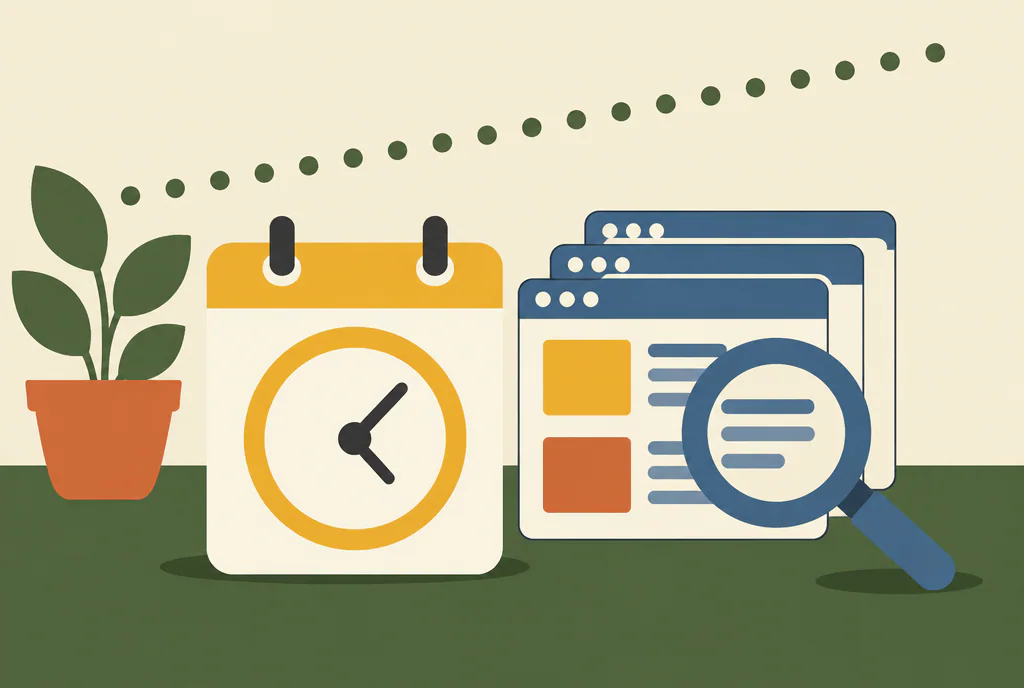
- Add your website and the keywords you want to follow.
- Choose the device and location, such as mobile in Leeds.
- Let the tool check on a schedule and plot each result over time.
A Leeds example
Picture a Leeds plumber tracking “plumber in Leeds”. In week one the site sits in 18th place. The plumber publishes a helpful article every week, answering questions customers ask on the phone. Over the following weeks the tracker shows the page moving up to 7th. That is the kind of movement a rank tracker is built to show, and it tells the plumber the content is doing its job. The figures here are an illustration, not a real result.
Desktop, mobile and location
Google shows different results on a phone than on a laptop, and different results in Leeds than in London. Good trackers let you pick both. Ahrefs, for example, supports mobile and desktop tracking with locations from country level down to ZIP code. For a UK business, city-level tracking is usually the sweet spot.
SERP features and AI Overviews
Organic results are no longer the only thing on the page. Maps and featured snippets can sit above them, and so can AI Overviews. Many trackers now report which of these features appear for your keywords and whether you are in them.
Update frequency
Some tools check daily and others weekly. Daily updates help you spot a sudden drop quickly, which matters on competitive terms. Weekly checks are fine for steady, long-term work. Nightwatch, for instance, offers daily updates across a very wide set of locations. Whatever the frequency, keep the history, as trends only appear when you have enough data points.
Do I need a rank tracker?
Most small sites can start without a paid tracker by using Google Search Console. Agencies and sites with many keywords benefit from a dedicated tool.
Who needs one
- Agencies that report to clients and need tidy, repeatable reports. Many tools offer white-label reporting, so check this before you buy.
- Sites with competitors to benchmark against. Trackers can show how you compare for the same keywords.
- Local businesses tracking several towns or areas.
Who can wait
A new site with only a handful of pages has little to track yet. Spend that time and money on publishing useful content first.
Rankings are not the goal
Clicks, enquiries and sales are what pay the bills. A page in third place that nobody clicks is worth less than one in fifth that brings in calls. Treat positions as a guide, not the prize.
Our advice on patience
We tell customers that SEO takes three to six months to build, so publishing regularly matters more than one perfect post. Judge your trends over months, not days. A wobble in week two means very little.
What are the best rank tracker tools?
For most businesses SE Ranking suits as an all-rounder, AccuRanker suits agencies with large keyword lists, and Semrush or Ahrefs suit teams that want a full suite.
We compared these tools using their published features and free trials. We have not run our own tests, so we make no claims about accuracy. Features and prices change often. Please confirm details on each vendor’s site. This table reflects information we checked in October 2026, and where we are unsure we say so.
| Tool | Best for | Update frequency | AI search tracking | Free trial | Pricing |
|---|---|---|---|---|---|
| SE Ranking | All-round use for small teams | Check vendor site | Check vendor site | Check vendor site | See SE Ranking’s pricing page |
| AccuRanker | Agencies with large keyword lists | Check vendor site | Check vendor site | Check vendor site | See AccuRanker’s pricing page |
| Semrush | Teams wanting a full SEO suite | Check vendor site | Check vendor site | Check vendor site | See Semrush’s pricing page |
| Ahrefs | Full suite with wide SERP feature tracking | Check vendor site | Includes AI Overviews among 19 SERP features | Check vendor site | See Ahrefs’ pricing page |
| Nightwatch | Daily updates across many locations | Daily | Check vendor site | 14 days, no card | See Nightwatch’s pricing page |
| Wincher | Simple, focused tracking | Check vendor site | Check vendor site | Check vendor site | See Wincher’s pricing page |
| Mangools SERPWatcher | Beginners and small sites | Check vendor site | Check vendor site | Check vendor site | See Mangools’ pricing page |
| Pro Rank Tracker | Top 100 tracking with Maps and AI platforms | Daily | Yes, AI platforms | Check vendor site | See Pro Rank Tracker’s pricing page |
Dedicated tracker or all-in-one suite?
A dedicated tracker usually costs less and does one job well, which suits agencies with long keyword lists. A suite adds keyword research, site audits and backlink data, which suits teams that want everything under one login. Only need positions? Start with a dedicated tool. If you also need research and audits, a suite may be better value.
Is there a free rank tracker?
Yes. Google Search Console is free and shows real average positions, and several paid tools offer free trials such as Nightwatch’s 14 days with no card.
What Search Console shows
It reports clicks, impressions and average position for your own site, straight from Google. That is why we base our results on your own Google Search Console rather than estimates. The limits are worth knowing. Positions are averages rather than exact daily rankings, and you can only see your own site, so there is no competitor view.
Free tiers and trials
Some trackers offer free plans or trial periods, but limits change, so check each site before you sign up. A trial is a good way to test whether a tool’s interface and reports suit you.
Why browser checks mislead
Searching yourself in a browser is tempting, but results are skewed by your search history, your location and your signed-in account. Treat it as a rough look, never as a measurement.
How do you track rankings in the age of AI search?
Track classic Google positions and also check whether AI tools like ChatGPT and Google’s AI Overviews mention or cite your pages, because positions no longer tell the whole story.
Several trackers now add AI visibility for ChatGPT, Gemini and Perplexity, and some cover AI Overviews. Coverage varies, so check what each tool actually measures before paying for it.
Two habits help. First, check your robots.txt isn’t blocking AI search tools. If it is, those tools may never see your pages. Second, write pages that answer the question in the opening sentences. Clear, direct answers are easier for people and AI tools to quote.
What should you do with your rank data?
Use rankings to decide what to publish and update next: find keywords sitting on page two, pages that dropped and questions you have not answered yet.
Turn data into a content plan
- Keywords on page two are close. Improve those pages or support them with new articles.
- Pages that dropped may need a refresh or a closer look at what now ranks above them.
- Gaps point to questions your customers ask that your site does not answer yet.
Write about the questions your customers actually ask you, and publish regularly rather than chasing one perfect post. Real photos and real job stories beat stock content every time.
One warning: never publish near-identical pages for different towns. Google treats them as spam, and they can hurt more than help.
How Rank Otter fits
Rank Otter writes SEO articles and publishes them straight to your site. Every article is researched from the pages already ranking on Google before a word is written, and results come from your own Google Search Console. You choose your control level, from approving every article to full autopilot. Our features page explains more.
We are built by PS Website Design Ltd, a UK web and app development agency that has built and looked after websites for UK businesses since 2009. We use Rank Otter on our own clients’ websites.
Plans are priced in articles a month, not credits or words:
- Growth: £99 + VAT a month for 30 articles and 1 website
- Pro: £199 + VAT a month for 75 articles and 3 websites
- Agency: £449 + VAT a month for 200 articles and 10 client websites
Your first article is free, with no card needed. There is a 30-day money-back guarantee on your first payment, and you can cancel online in two clicks. See the pricing page for details, or contact Rank Otter and we will analyse your site free in about 30 seconds.
Frequently asked questions
How often should I check my keyword rankings?
Weekly is enough for most sites. Look at trends over months rather than reacting to daily moves, as SEO takes three to six months to build.
How accurate are rank trackers?
They are good for spotting direction, but results vary with device, location and personalisation. Compare them with Google Search Console for a reality check.
Why does my ranking differ from what a rank tracker shows?
Your own searches are shaped by your history, location and signed-in account. A tracker uses a set location and device, so the two rarely match exactly.
Can a rank tracker track local rankings in the UK?
Yes. Many tools let you pick a city or region, and some cover Maps results too. Check that your chosen tool supports the UK location you need.
What is the difference between a rank tracker and a keyword research tool?
A keyword research tool helps you find terms worth targeting. Rank trackers, by contrast, show where you appear for terms you have already chosen.
Does Google Search Console work as a rank tracker?
Partly. It shows real average positions, clicks and impressions for your own site, but not exact daily positions or competitor data.
How many keywords should I track?
Start with the terms tied to your main services and the questions customers ask. A small, focused list is easier to act on than hundreds of keywords.
Can rank trackers track AI Overviews and ChatGPT?
Some can. Ahrefs lists AI Overviews among its tracked SERP features, and Pro Rank Tracker covers AI platforms. Coverage differs between tools, so check before you buy.