SEO for independent retailers in the UK: a 2026 guide
A practical UK guide to SEO for independent retailers: local search, Google Business Profile, product pages, content and how long results take.

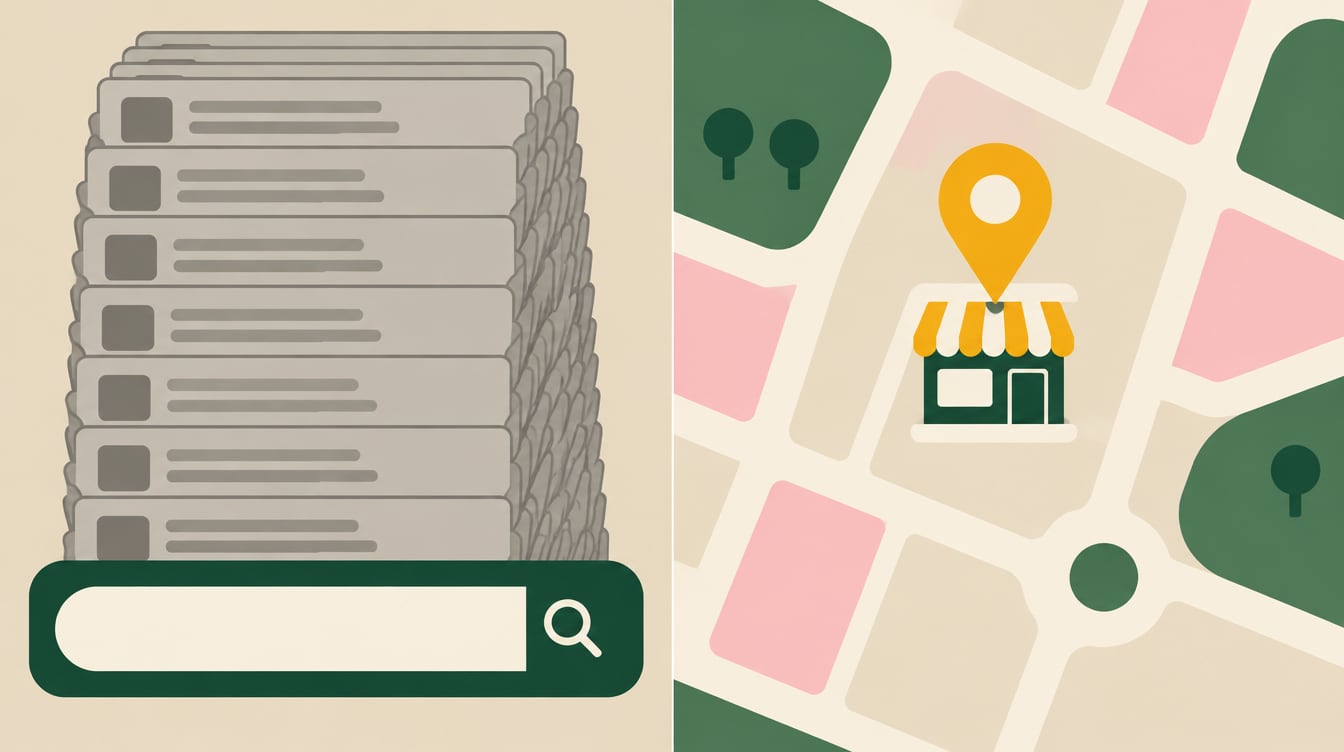
SEO for independent retailers in the UK works best when you stop chasing generic product terms and win local and specialist searches instead. Fix your Google Business Profile and optimise product and category pages. Then publish helpful content about what customers ask, and keep going for three to six months. Updated November 2026.
SEO for independent retailers is the practice of improving a shop’s website and Google listings so local and specialist shoppers find it in search, without competing head to head with national chains.
At a glance
- SEO usually takes three to six months to build, so regular publishing matters more than one perfect post.
- Top-ranking UK retail guides centre on Google Business Profile, local search, product pages, content and technical basics, according to SEO for retailers: a complete guide.
- A four-week starting plan and numbered steps (profile, reviews, service pages, technical basics, schema, content, local links, tracking) are standard in UK small business SEO guides.
- Click and collect and seasonal search are named opportunities for independent shops by Leodis Digital.
- Rank Otter’s Growth plan costs £99 + VAT a month for 30 articles and 1 website, with the first article free.
What is the best SEO strategy for independent retailers in the UK?
The best SEO strategy for independent retailers is to win where chains are weak: local and specialist searches. Independents should not target generic terms such as “trainers” or “sofa” against Amazon or John Lewis, because those battles are lost before they start.
Instead, lean on what a national site cannot copy. You know your area and your stock, and you know your customers. People who type “shop local” searches, or look for a specialist in a particular product, are often ready to buy from a real shop.
The four pillars
- Local SEO: your Google Business Profile, reviews and local links.
- Product SEO: product and category pages that match what shoppers search for.
- Content: guides and articles that answer real questions.
- Technical: a fast, crawlable site that Google can read.
A simple priority order
If time is tight, work in this order: Google Business Profile first, then your top product and category pages, then technical checks, then regular content. Content comes last only because it builds slowly, so start it early and keep it going.
SEO takes three to six months to build. Publishing regularly matters more than one perfect post.
How do independent shops rank in local search and Google Maps?
Independent shops rank in local search by completing and maintaining their Google Business Profile and collecting genuine reviews. They also keep their name, address and phone number consistent everywhere online.
Profile checklist
- Choose the right main category and add any secondary ones.
- Keep opening hours correct, including bank holidays.
- Add clear photos of your shopfront, inside and stock.
- List your products and post updates about new arrivals or events.
Reviews and local links
Ask real customers for reviews, ideally soon after a good experience. Never buy or invent them. For links, look to your town centre website and local business groups, as local press may well cover a shop with a story to tell.
Schema and location pages
Schema is code that tells search engines what a page is about. Add LocalBusiness schema and a clear location page with your address, hours and how to find you.
Never publish near-identical pages for different towns. Google treats them as spam. If you serve more than one area, write something genuinely useful for each, or keep to one strong page.
How do you optimise product and category pages?
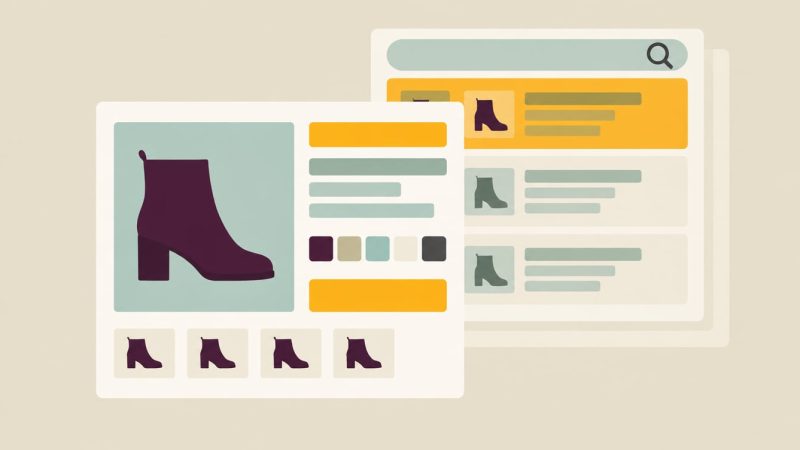
Optimise product and category pages by giving each one a unique title, description and set of photos, written for the shopper’s search rather than copied from the supplier.

- Unique descriptions: manufacturer text appears on many sites, so it gives Google no reason to prefer yours. Say who the product suits and why you stock it.
- Real photos: pictures of your own stock beat stock images every time.
- Category structure: give each category a short intro, then link to key products and related categories.
- Product schema: mark up price and stock status so search results can show them.
- Click and collect and local delivery: state clearly what you offer and where. Leodis Digital names click and collect as an opportunity for independent shops.
What content should an independent retailer publish?
An independent retailer should publish answers to the questions customers actually ask in the shop: buying guides, gift guides, care advice and stories about your products.
Turn shop questions into articles
Keep a note of what people ask at the till. Each question is a possible article, and it is already a search someone is making.
Plan the seasons
Gift guides and peak trading periods need planning ahead, as search interest builds before the rush. Draft your calendar months in advance.
Real stories and photos
Real photos and real stories about your products beat generic content. Show the maker, the delivery or the display you set up this week.
Where automation fits
Few shop owners have time to write every week. Rank Otter researches each article from the pages already ranking on Google, then posts it to your site on a schedule. You can approve every article or let it run on autopilot.
What technical SEO basics should a retailer check?
A retailer should make sure the site is fast on mobile, can be indexed and is not blocking search or AI crawlers in robots.txt.
- Mobile speed: most shoppers browse on phones. Check Core Web Vitals, Google’s measures of loading speed and stability, in Search Console.
- robots.txt: this file tells crawlers what they may visit. Check it is not blocking AI search tools.
- Sitemap and indexing: submit a sitemap and look for duplicate product URLs, such as the same item under several paths.
- Tracking: set up Google Search Console to see the searches that bring people to you.
How much does SEO for an independent retailer cost?
SEO costs range from doing it yourself to paying an agency monthly, so compare what you get for the time or money you spend.
| Option | Typical monthly cost | What you do | What you get | Best for |
|---|---|---|---|---|
| DIY | Your time | Everything | Full control, slow pace | Owners with spare hours |
| SEO agency retainer | Varies; check quotes | Brief and approve | Hands-on service | Larger budgets |
| Automated article service | From £99 + VAT | Approve or leave on autopilot | Regular researched articles | Steady publishing on a small budget |
Agency prices vary a great deal, so ask for several quotes. Our own plans are priced in articles a month: Growth is £99 + VAT for 30 articles and 1 website, and Pro is £199 + VAT for 75 articles and 3 websites. The first article is free with no card, and there is a 30-day money-back guarantee on your first payment. See our pricing for the full list.
Rank Otter is built by PS Website Design Ltd, a UK web and app agency that has built and looked after websites for UK businesses since 2009. We use it on our own clients’ sites. Results come from your own Google Search Console, not our estimates.
To see what it would write for your shop, enter your website and we analyse it free in about 30 seconds. Contact Rank Otter and we will get you started.
Frequently asked questions
How long does SEO take for a small shop?
SEO usually takes three to six months to build. Publishing regularly in that time matters more than one perfect post.
Do I need an online shop to benefit from SEO?
No, a shop without online sales still benefits from SEO. A strong Google Business Profile, a clear website and helpful content bring people through the door.
Is Google Business Profile enough on its own?
Google Business Profile is a strong start but rarely enough alone. A website with product pages and useful articles gives you more searches to appear for.
How many blog posts should a retailer publish?
There is no fixed number, but a steady schedule you can sustain beats occasional bursts. Choose a pace that fits your capacity and stick to it.
Can I use AI to write SEO content for my shop?
Yes, provided the content is researched, accurate and reflects your real shop. Add your own photos and stories, and review what goes live.
How do I track whether SEO is working?
Use Google Search Console to see impressions, clicks and the searches that bring visitors. Check it monthly and look for steady growth over several months.