How to appear in Perplexity answers: a practical UK guide
Learn how to appear in Perplexity answers: let PerplexityBot in, write answer-first pages, earn mentions elsewhere and track citations in a simple routine.

To appear in Perplexity answers, let PerplexityBot crawl your site, publish pages that answer one specific question clearly in their opening lines with checkable facts, and earn mentions on other trusted sites. No method is guaranteed, because Perplexity does not publish its full source-selection rules.
Appearing in Perplexity answers means getting your website cited as a source in the AI-generated responses of Perplexity, an AI search engine that summarises web pages and links to the sources it used.
At a glance
- PerplexityBot is Perplexity’s search crawler, and Perplexity says it is not used to train AI foundation models (Perplexity Crawlers).
- Perplexity’s documentation publishes the crawler’s user-agent, an IP list and firewall set-up steps for Cloudflare and AWS.
- Perplexity does not publish its complete source-selection algorithm, so no tactic guarantees a citation (GET-GEO.AI).
- The approach is called Generative Engine Optimisation (GEO) or Answer Engine Optimisation (AEO), and it extends traditional SEO rather than replacing it (Anthracite Studio).
- SEO typically takes three to six months to build, so regular publishing matters more than one perfect post.
How does Perplexity choose which sources to cite?
Perplexity searches the web, reads relevant pages and writes an answer with links. It combines several sources and does not publish its full ranking rules, so treat advice as informed practice, not certainty.
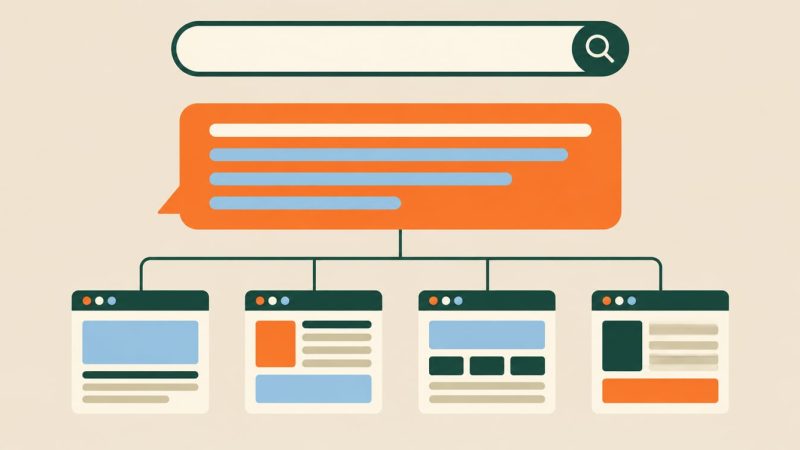
The process is easy to picture: a person asks a question and Perplexity searches. It reads the pages it finds, summarises them and shows the sources beside the answer. Your aim is to be one of the pages it reads and trusts.
What is confirmed and what is guesswork
| Label | What it covers |
|---|---|
| Confirmed | PerplexityBot exists, has a published user-agent and IP list, and is not used for foundation model training, according to Perplexity’s own crawler documentation. |
| Researched | Third-party guides suggest clear answers, verifiable facts and mentions on other sites help. These are observations, not Perplexity rules. |
| Guesswork | Any claim about exact ranking weights, secret signals or a trick that guarantees a citation. |
Three conditions to meet
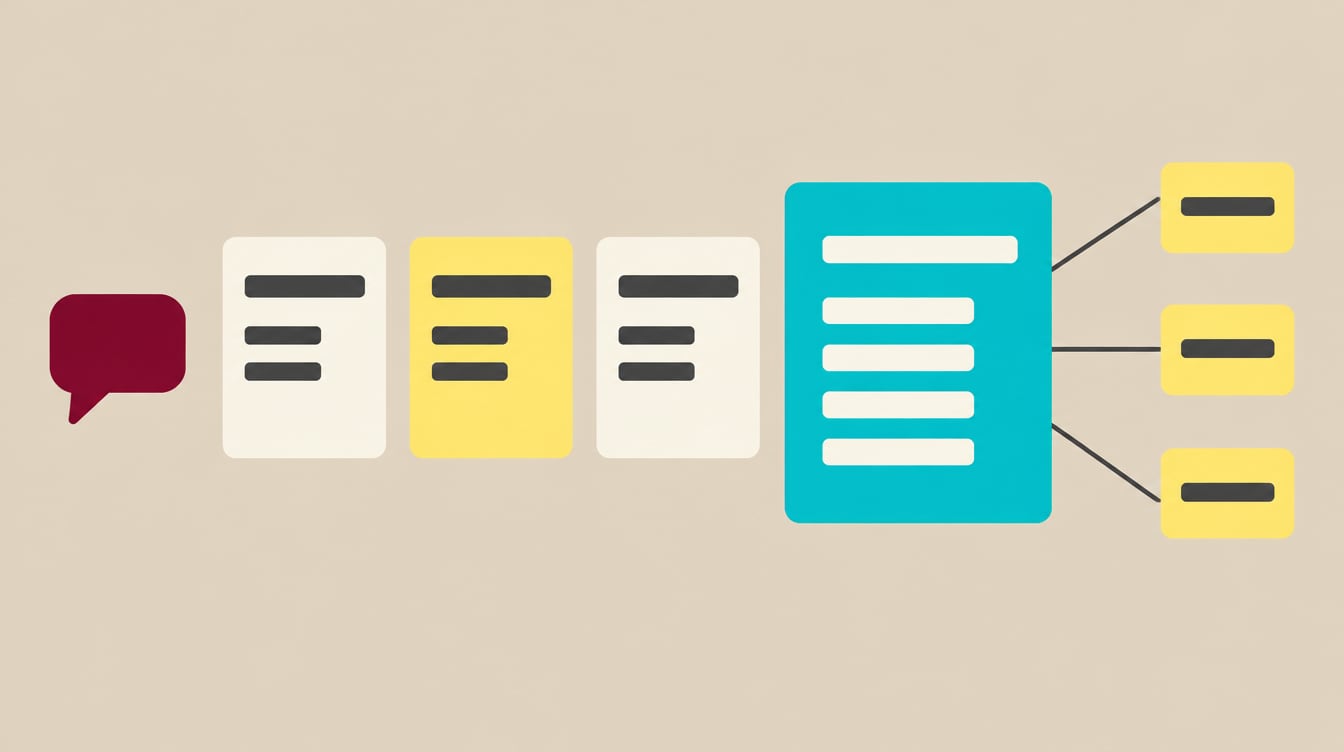
- Access: the crawler can reach your pages.
- A liftable answer: each page states a clear answer with facts a reader can check.
- Corroboration: other trustworthy sites back up what you say.
GEO and AEO build on SEO. A site that Google already understands well starts with a head start, because the same basics of clear structure and useful content still apply, along with trust.
Is PerplexityBot allowed to crawl your website?
Check your robots.txt and firewall first. If PerplexityBot is blocked, Perplexity cannot use your pages, so this is the highest priority technical step.

Robots.txt is a plain text file at the root of your site that tells crawlers what they may visit. Open yourdomain.co.uk/robots.txt in a browser and look for any rule that mentions PerplexityBot or blocks all bots with a broad disallow. An allow rule looks like this:
User-agent: PerplexityBot
Allow: /
Check that your robots.txt is not blocking AI search tools. Plenty of sites block them by accident through a blanket rule or a security plugin.
Firewall rules can block bots too
A web application firewall (WAF) filters traffic before it reaches your site. Rules in services such as Cloudflare or AWS can block bots even when robots.txt allows them. Perplexity’s crawler documentation publishes the user-agent and an IP list, plus set-up steps for both, so you can check your rules against a source you can verify. The same page states that PerplexityBot is not used to train AI foundation models.
How do you write pages that Perplexity can quote?
Write each page as a direct answer to one specific question, with the answer in the first one or two sentences, then support it with specific, verifiable details.
An answer-first template
- A heading phrased as the question.
- A short answer in one or two sentences that make sense on their own.
- The detail: steps, figures, a short table where it helps.
- A named source for any figure you quote.
Choose questions your customers really ask
Write about the questions your customers actually ask you. Your sales emails and phone calls are a better source of topics than a keyword tool alone, and so is your support inbox. One question per page keeps the answer clear and easy to lift.
Be specific
Use concrete facts, figures, dates and named sources instead of vague claims. “Usually two to three weeks” is quotable. “It can take a while” is not. Short tables and an FAQ block at the end give an AI tool neat pieces to lift.
Say who you are
Add an about page, name the author and show your business details. A reader, or a machine, should be able to tell who stands behind the advice.
Keep pages fresh and distinct
Show an updated date and review older pages. Never publish near-identical pages for different towns, because Google treats them as spam. If you serve several areas, each page needs something genuinely different to say.
How do you get mentioned on other sites?
Perplexity favours claims that other trustworthy sites back up, so earn mentions beyond your own domain through useful contributions, not link schemes.
- Digital PR, contributor articles and relevant guest posts on sites your customers read.
- Inclusion in genuine best-of lists and comparison pages.
- Communities and forums where your expertise helps someone, without spam or constant self-promotion.
- Real reviews from real customers. Never post fake ones.
Real photos and real job stories beat stock content every time. A page with your own project photos and a plain account of what was done gives other sites something worth referring to, and gives readers a reason to trust you.
Do llms.txt and schema help you appear in Perplexity?
There is no confirmed evidence that llms.txt or special schema alone gets you cited. Clear content, crawler access and corroboration matter more, so treat these as optional extras.
An llms.txt file is a proposed plain text file that points AI tools to your key pages. Schema is structured data, extra code that labels what a page contains. Basic structured data is fine for clarity and does no harm, but it is not a shortcut. Perplexity has not said either one decides which sources it cites. Do the fundamentals first: access, answer-first pages and mentions elsewhere.
How do you track whether Perplexity cites you?
Ask Perplexity your target questions regularly, record whether your pages are cited, and check referral traffic and impressions in your own analytics and Google Search Console.
- Build a list of 10 to 20 target questions that match your articles.
- Ask each one in Perplexity once a month.
- Log whether you are cited, which competing sources appear and the exact wording used.
- Check your analytics for referrals from perplexity.ai.
- Review Google Search Console for impressions and clicks.
Answers can vary from one run to the next, so avoid panicking over a single change. Search Console is the ground truth for organic growth, and trends over months tell you more than one test.
| Task | How often | Where to check |
|---|---|---|
| Ask target questions | Monthly | Perplexity |
| Log citations and competing sources | Monthly | Your tracking sheet |
| Check referral traffic | Monthly | Your analytics, perplexity.ai referrals |
| Review impressions and clicks | Monthly | Google Search Console |
| Check robots.txt and firewall rules | After any site or security change | robots.txt and your WAF settings |
How can you publish answer-first content consistently?
Consistency wins because SEO takes three to six months to build. A repeatable programme of researched, question-led articles is easier to sustain than occasional perfect posts.
That is the job Rank Otter does. Every article is researched from the pages already ranking on Google before a word is written, then published straight to your site. You choose how much control you want, from approving every article to full autopilot. That suits agencies handling many client sites, and the plans are priced in articles a month, not credits or words. Results come from your own Google Search Console, not our estimates.
Rank Otter is built by PS Website Design Ltd, a UK web and app development agency that has built and looked after websites for UK businesses since 2009. We use it on our own clients’ websites.
Want to see it in action? Enter your website and we analyse it free in about 30 seconds, and your first article is free with no card needed. Get in touch with Rank Otter to start.
Frequently asked questions
Can I pay to appear in Perplexity answers?
The brief for this guide covers only organic citations, and we have no confirmed information on paid placement in Perplexity answers. Focus on crawler access, clear answers and mentions on other sites.
Does ranking on Google help me appear in Perplexity?
Good SEO gives you a head start, because GEO and AEO extend traditional SEO rather than replace it. Perplexity does not publish its full rules, so a Google ranking does not guarantee a citation.
How long does it take to get cited by Perplexity?
No confirmed timeline exists. SEO typically takes three to six months to build, so steady publishing and regular tracking are a sensible expectation.
Does blocking PerplexityBot stop me appearing?
Blocking PerplexityBot in robots.txt or a firewall stops Perplexity reading your pages, so you are unlikely to be cited from them. Perplexity says the crawler is not used to train AI foundation models.
Do I need a separate page for each question?
One question per page keeps each answer clear and easy to quote. Avoid near-identical pages that differ only by town name, as Google treats them as spam.
How do I check if Perplexity is citing my website?
Ask Perplexity your target questions each month and note which sources it links. Then check perplexity.ai referrals in your analytics and impressions in Google Search Console.
Is Perplexity free to use?
The brief gives no details on Perplexity’s pricing, so check Perplexity’s own website for its current plans.