What is AI search optimisation? A plain UK guide
AI search optimisation is making your site easy for ChatGPT, Gemini and Google's AI Overviews to find, cite and recommend. Here is how it works and what to do.

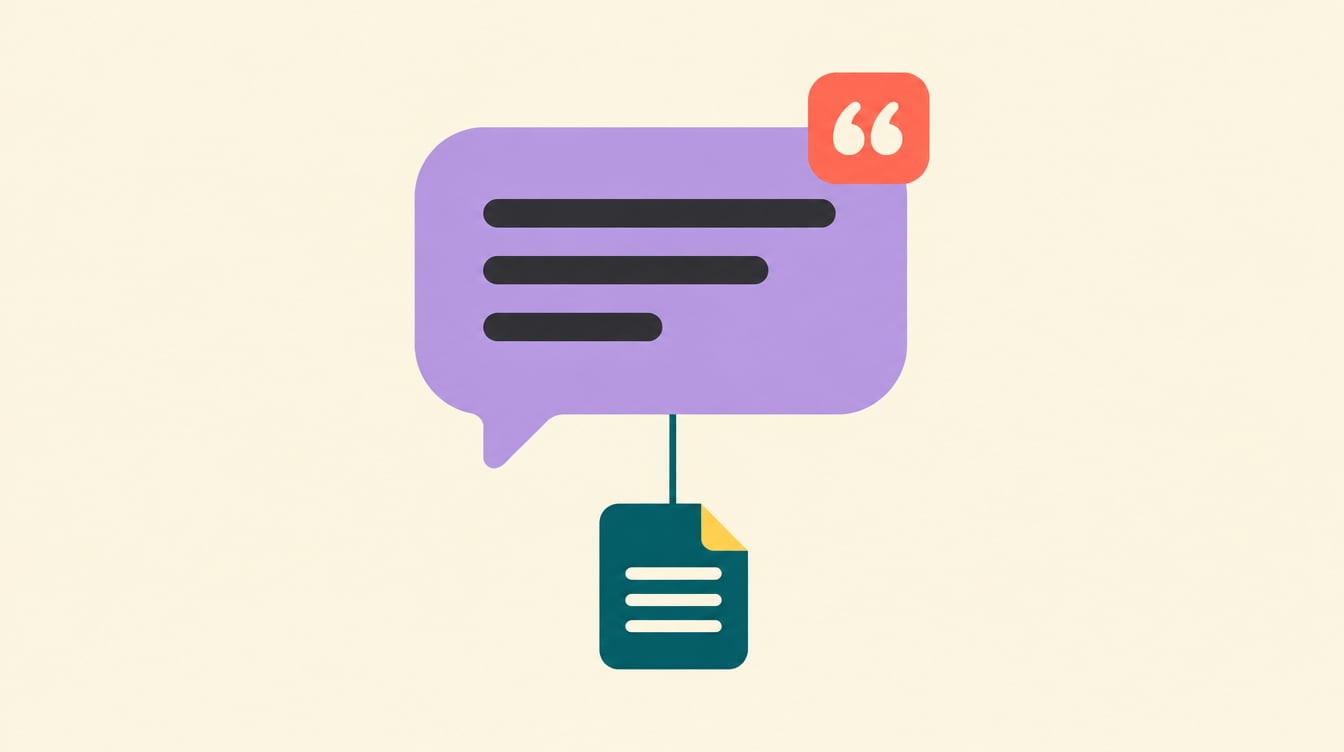
AI search optimisation is the practice of making your website and brand easy for AI search tools, such as ChatGPT, Google Gemini, Perplexity and Google’s AI Overviews, to find, understand, cite and recommend. It builds on traditional SEO, with the goal of being mentioned or linked when people ask an AI about your business.
At a glance
- The aim is to get your brand cited, mentioned or linked in answers from engines such as ChatGPT, Gemini and Google AI Overviews (HubSpot).
- Google publishes official guidance on appearing in its AI features, and it treats foundational SEO best practice as the starting point.
- Google’s guide covers non-commodity content, clear technical structure and local business details, and says you can measure visibility in Search Console.
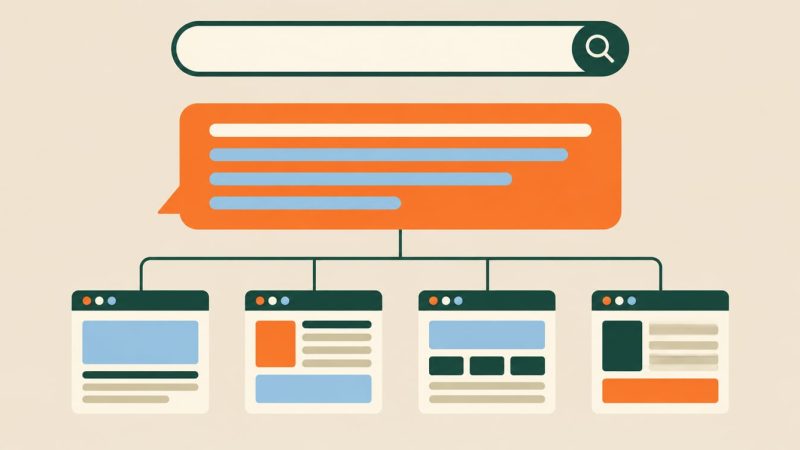
- Traditional SEO focuses on ranking links on a results page. Optimising for AI search focuses on being named or cited inside an answer.
- SEO usually takes three to six months to build, so regular publishing matters more than one perfect post.
What is AI search optimisation?
It means making your site and brand easy for AI search tools to find, cite and recommend. The tools in question include ChatGPT, Google Gemini, Perplexity, and Google’s AI Overviews and AI Mode.
The goal is simple. When someone asks an AI a question in your area of business, you want your name mentioned or your page cited. Picture someone in Leeds asking an AI for a good local accountant or web designer. If the answer names your business, that is AI search optimisation doing its job.
You may see other names for the same idea: AISO, AEO (answer engine optimisation) and GEO (generative engine optimisation). People use them loosely and they overlap heavily, so if you searched for any of them, you are in the right place.
One thing worth saying plainly: this is an extension of SEO, not a separate trick. The same habits that help people and search engines understand your site are what AI tools rely on too.
How does AI search optimisation work?
AI tools pull from pages they can access and trust, then summarise, compare or cite them in an answer. If your page answers the question clearly and can be crawled, it is more likely to be used.
Google explains in its guide to optimising for generative AI features that its AI features sit on top of the same search systems as normal results. In our own words: pages need to be crawlable and indexable, and they need to offer something useful that people can’t get everywhere else.
Ways a brand can appear in an AI answer
- An inline citation, where a sentence in the answer links to your page.
- An unlinked mention, where your business is named but not linked.
- A place in a comparison table, for example when someone asks which providers to consider.
- A spot in a list of sources shown beside the answer.
Why topic coverage matters
AI tools may run several related searches behind a single question. A site that covers a topic from a few angles, with clear answers to each, has more chances to be picked up than a site with one thin page.
We keep our claims modest here. Nobody can guarantee a citation, and anyone who says otherwise is guessing.
How is AI search optimisation different from traditional SEO?
Traditional SEO aims to rank your page as a link on a results page. Optimising for AI search aims to have your content used and named inside the answer. The foundations are shared: useful content and clear structure, plus crawlable pages. That’s the good news.
| Area | Traditional SEO | AI search optimisation |
|---|---|---|
| Goal | Rank a link high on a results page | Be cited, mentioned or linked in an answer |
| What is measured | Rankings, clicks, traffic | Mentions, citations, visibility in AI features |
| Content style | Pages that match search intent | Direct answers, clear facts, original detail |
| Technical needs | Crawlable, indexable, fast pages | The same, plus AI tools not blocked |
| Time to results | Usually three to six months | Similar, and no promises either way |
Is SEO still relevant for generative AI search?
Yes. The guide from Google treats foundational SEO best practice as the starting point for appearing in its AI features. One set of good work serves both, so nobody needs to abandon SEO.
SEO in two lines, for beginners
SEO is the work of helping people find your website through search engines by making pages useful, clear and easy for those engines to read. Applied to AI answers, the same thinking becomes AI search optimisation.
How do you optimise your website for AI search?
Follow these steps, in roughly this order:
- Answer real customer questions clearly.
- Publish regularly.
- Keep pages crawlable.
- Add clear facts and structure.
- Show real experience.
- Measure in Search Console.
Write about the questions customers actually ask
Start with the questions your customers ask you and your clients ask us. Put the answer in the first sentence or two, then add detail underneath. That shape suits readers and AI tools alike.
Use real photos and real job stories
Real photos and real job stories beat stock content every time. This is what Google’s guide calls non-commodity content: material that could not be written by anyone with a keyboard and a search box. If you fitted a boiler, redesigned a site or sorted a tax return, say what you did and show it.
Check robots.txt
Your robots.txt file tells crawlers which parts of your site they may visit. Check that it isn’t blocking AI search tools or Googlebot. A single stray line can hide your whole site, and it is one of the quickest things to fix.
Keep structure clear
Use descriptive headings, short sections, tables for comparisons and a short FAQ where it genuinely helps. Clear structure makes it easier for a person or a machine to lift the right answer from your page. Our guide to building a strong website foundation covers this well.
Keep business details consistent
For local searches, make sure your business name, address and services are accurate and match everywhere they appear. Mixed-up details make it harder for anyone to be sure who you are.
Avoid near-identical town pages
Never publish near-identical pages for different towns with only the place name swapped. Google treats them as spam. Serving several areas? Write something genuinely different for each, such as real jobs you have done there, or leave it at one strong page.
Be patient and consistent
SEO takes three to six months to build. That is why regular publishing matters more than one perfect post. A steady run of useful articles builds topic coverage and trust far better than a single polished page that then sits alone.
Measure in Search Console
Google says you can measure visibility in its AI features through Search Console. It is free, so set it up before you do anything else and watch how impressions and clicks move over the following months.
What AI search optimisation myths can you ignore?
You do not need a separate site, secret markup or a full redesign. The guide from Google has its own mythbusting section, and its main message, put simply, is that good SEO and helpful content are still what count.
- Guaranteed citations. There is no sure way to be cited. Be sceptical of anyone who promises it.
- Injecting your data into AI training sets. Some services claim they can do this. We would steer clear of the claim, because it is not how Google says its features choose sources.
- Chasing tricks. Time spent on hacks is time not spent on useful content.
- Cheap bulk or copied content. Pages produced in volume without anything original to say do not help, and can hold you back.
What are the best AI search optimisation tools?
There are two kinds of tool: trackers that show whether AI engines mention your brand, and content tools that help you produce the pages that earn mentions. Pricing changes often, so check each provider’s current page. This overview was last updated on 1 November 2026.
Tracker types
| What it tracks | What it tells you |
|---|---|
| Visibility | How often your brand appears in AI answers |
| Citations | Which of your pages AI tools link to |
| Sentiment | How your brand is described |
| Tracked prompts | Results for the specific questions you choose to monitor |
Google Search Console is free and shows performance in Google’s AI features, so it is the sensible first tracker for any business.
Where Rank Otter fits
Rank Otter is a content tool. Every article is researched from the pages already ranking on Google before a word is written. You choose your level of control, from approving every article to full autopilot, and articles publish straight to your site on your schedule. Plans are priced in articles a month, not credits or words, and results come from your own Google Search Console, not our estimates. You can see how it works on our features page.
It is built by PS Website Design Ltd, a UK web and app development agency that has built and looked after websites for UK businesses since 2009. We use Rank Otter on our own clients’ websites.
| Plan | Price | Articles a month | Websites |
|---|---|---|---|
| Growth | £99 + VAT a month | 30 | 1 |
| Pro | £199 + VAT a month | 75 | 3 |
| Agency | £449 + VAT a month | 200 | 10 client websites |
Your first article is free with no card needed, and there is a 30-day money-back guarantee on your first payment. Enter your website and we analyse it free in about 30 seconds. Full details are on our pricing page, or get in touch with the Rank Otter team and we will happily talk through what suits your site or your agency’s clients.
Frequently asked questions
Is AI search optimisation the same as GEO or AEO?
Broadly, yes. AISO, AEO and GEO are different labels for the same aim: being found, cited or recommended by AI tools. The names overlap. Don’t worry about which one you use.
Do I still need SEO if I do AI search optimisation?
Yes. The guide from Google treats foundational SEO as the starting point for its AI features. Good SEO and good AI search optimisation are largely the same work.
How long does AI search optimisation take to work?
SEO usually takes three to six months to build, and we would expect a similar timescale here. Nobody can promise a result, so publish regularly and track progress.
Can I block or allow AI tools from crawling my site?
Yes, through your robots.txt file. Check that it isn’t blocking AI search tools or Googlebot unless you mean it to. Unsure what a line does? Ask your web developer.
How can I tell if ChatGPT mentions my business?
Ask it the questions your customers would ask and see what it says. Tracker tools can automate this across many prompts. For Google’s AI features, use Search Console.
Does AI-written content help or hurt AI search visibility?
What matters is whether the content is useful and accurate, and whether it’s original. Bulk or copied pages do not help. Adding real photos, job stories and your own experience makes any article stronger.
Is AI search optimisation worth it for a small local business?
We think so, because the work is the same as good local SEO: answer customer questions, keep your details accurate and show real jobs. It costs little extra and helps in both kinds of search.