What is generative engine optimisation (GEO)?
Generative engine optimisation (GEO) is how you get mentioned in ChatGPT, Gemini and Google AI answers. Here is what it is, how it works and what to do.


Generative engine optimisation (GEO) is the practice of making your website, content and brand easy for AI tools to find, understand, trust and mention in their generated answers. Those tools include ChatGPT, Gemini, Perplexity and Google AI Overviews. It builds on SEO rather than replacing it.
At a glance
- GEO aims to get a brand mentioned or cited in AI-generated answers from tools such as ChatGPT, Gemini, Perplexity and Google AI Overviews, rather than only ranking in a list of links, according to HubSpot.
- The term comes from a 2023 research paper presented at KDD 2024, which reported up to a 40% uplift in citations for some methods, as igility explains.
- GEO is often treated as the same discipline as AEO (answer engine optimisation) and sometimes called LLMO.
- Google’s Search Central guidance says SEO fundamentals still apply to its generative AI features, which build on core ranking systems.
- SEO usually takes three to six months to build, so regular publishing matters more than one perfect post.
What is generative engine optimisation?
GEO is the practice of making your site and brand easy for AI assistants to find, understand and mention in their answers. Those assistants include ChatGPT, Gemini, Perplexity, Copilot and Google AI Overviews.
The term comes from a 2023 research paper presented at KDD 2024. Since then, other names have appeared for much the same work. You will see AEO (answer engine optimisation) and LLMO (large language model optimisation). Citable’s guide notes that these are often treated as one discipline, and we agree that the day-to-day work overlaps almost entirely.
A quick note on the acronym. GEO here has nothing to do with geography or geostationary orbit. It is a marketing term about AI search.
How does generative engine optimisation work?
AI tools gather sources, pull out passages that answer the question, and mention the brands they trust. GEO makes your content easy to extract and credible enough to be used.
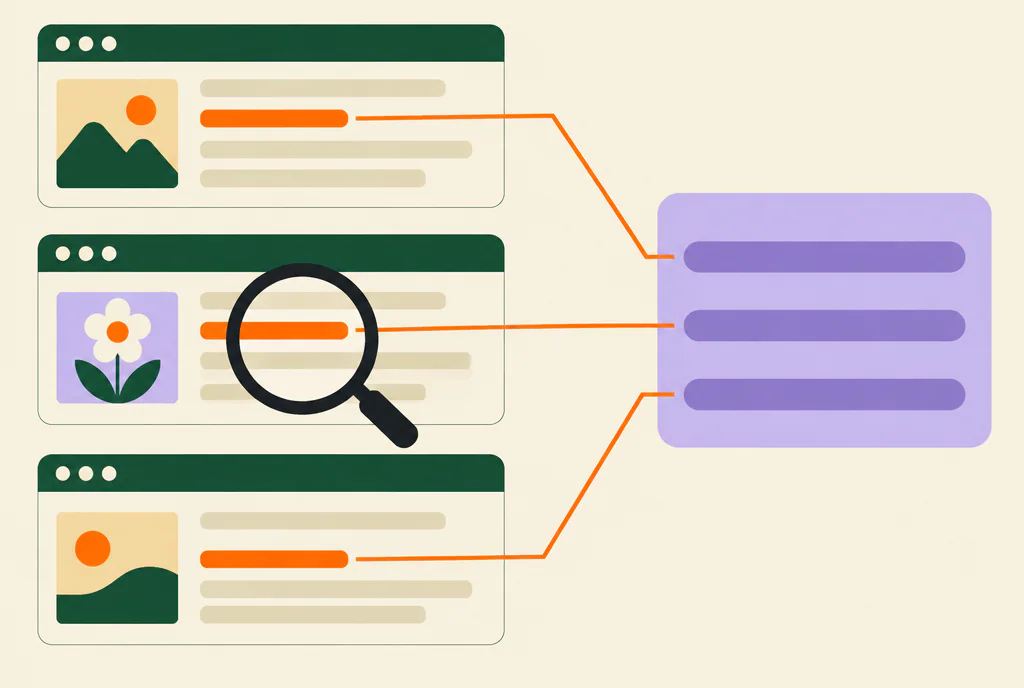
Think of an AI answer as a short piece built from several web pages. The tool looks for passages that answer the question cleanly, then blends them. Give it something to use. A clear answer on your page does exactly that.
Write answers that stand alone
Put the answer first, directly under a heading phrased as a question. Add a short FAQ and use tables for comparisons or costs. Make each passage clear on its own. It’s easier to lift.
Keep the technical side clean
Pages need to be reachable. That means no accidental blocks on AI crawlers, sensible structured data (schema) and clear author and business details.
Be consistent about who you are
Use the same business name, description and details across your site and profiles. Many places shape the picture AI tools build of a brand, and mixed messages weaken it.
Keep content fresh
Update pages when things change. Old, unmaintained content is less likely to be trusted.
What is the difference between GEO and SEO?
SEO aims to rank your pages in search results for clicks, while GEO aims to get your business mentioned or cited inside AI-written answers. The two share most of their groundwork.
| SEO | GEO | AEO | |
|---|---|---|---|
| Target | Search engine results pages | Tools such as ChatGPT, Gemini and Perplexity | Answer engines and featured answers |
| Goal | Rank pages and earn clicks | Be mentioned or cited in generated answers | Be the direct answer to a question |
| Measure | Rankings, impressions, clicks | Mentions, citations, brand visibility | Answer appearances |
| Typical content | Optimised pages and guides | Clear passages, FAQs, credible detail | Concise question-and-answer content |
Here is a local example. Say someone in Leeds asks ChatGPT to recommend a supplier near them. SEO helps your site rank when they search Google. GEO helps the assistant know who you are and what you do, and where you do it, so it can name you. Both rest on the same clear, honest content.
GEO builds on SEO. It does not replace it.
Is SEO dead now that AI search exists?
No. SEO is evolving, and Google’s own guidance says core SEO practices still apply to its AI features, which build on its core ranking systems.
Google has also published information on controls for website owners, in a June 2026 announcement, so it pays to check what is available for your own site. We would be careful with claims about how much traffic AI answers take away. The figures vary a lot between studies, and we would rather you look at your own data.
Our view is simple. SEO takes three to six months to build, so publishing regularly matters more than one perfect post. Answer the questions your customers really ask, and keep doing it.
How can a UK business get started with GEO?
Start with the basics: answer real customer questions clearly, keep content fresh, allow AI crawlers and show real experience. None of it needs a big budget.
We are Rank Otter, built by PS Website Design Ltd, a UK web and app development agency that has built and looked after websites for UK businesses since 2009. We use Rank Otter on our own clients’ websites, so this checklist is what we do ourselves.
- Check your robots.txt. Make sure it isn’t blocking AI search tools.
- Write about the questions customers actually ask you. Sales calls and emails are a good source.
- Use real photos and real job stories. They beat stock content every time.
- Don’t copy pages for each town. Never publish near-identical pages for different towns, because Google treats them as spam.
- Add schema and clear details. Show who wrote each page and who the business is.
- Publish consistently. Results take three to six months, so steady output wins.
If you run an agency or a small team and want the regular publishing handled, our features page shows how Rank Otter researches, writes and posts articles to your site.
How do you measure GEO?
Track whether AI tools mention you for your key questions, alongside impressions and clicks in your own Google Search Console data. Treat what you see as trends, not guarantees.
Visibility and mentions matter more here than rankings and traffic. A simple routine works well:
- List ten or so questions your customers ask.
- Put them into ChatGPT, Gemini and Perplexity each month and note whether you are mentioned.
- Check Search Console for impressions, clicks and how your pages appear, including in Google’s AI features.
Answers from AI tools can change from one day to the next, so look for movement over months rather than single results. Our results come from your own Google Search Console, not estimates, and we would suggest you judge any GEO work the same way.
To get help publishing the content that earns those mentions, see our plans or get in touch with the Rank Otter team. Your first article is free, with no card needed.
Frequently asked questions
What does GEO stand for in marketing?
GEO stands for generative engine optimisation. It means making your content and brand easy for AI tools to find, understand and mention in their answers.
Is GEO replacing SEO?
No. GEO builds on SEO. Google’s guidance says SEO fundamentals still apply to its generative AI features.
Is GEO the same as AEO?
Largely, yes. GEO and AEO are often treated as the same discipline, and LLMO is another name for it. The practical work overlaps almost completely.
Does GEO work for small local businesses?
Yes. Clear answers, real job stories and consistent business details cost little and suit small firms well. Our small business page explains how we help.
How long does GEO take to work?
Expect around three to six months, as with SEO. Regular publishing matters more than one perfect post.
Do I need to block or allow AI crawlers?
To be mentioned by AI search tools, check your robots.txt isn’t blocking them. The choice is yours, so decide it on purpose rather than by accident.
Is GEO paid or free?
The basics are free to do yourself, such as fixing robots.txt and answering customer questions. Paid help saves time on regular publishing. Our plans start at £29 + VAT a month for 30 articles and 1 website.